Cow nutrition drives calf value
By Dr. Jim White, MFA Director of Livestock Nutrition
A strategic maternal feeding program is one of the best investments producers can make in the future health, performance and profitability of their herd
When cattle prices are strong, every calf matters. What many producers may not realize is that a calf's future performance begins long before calving season.
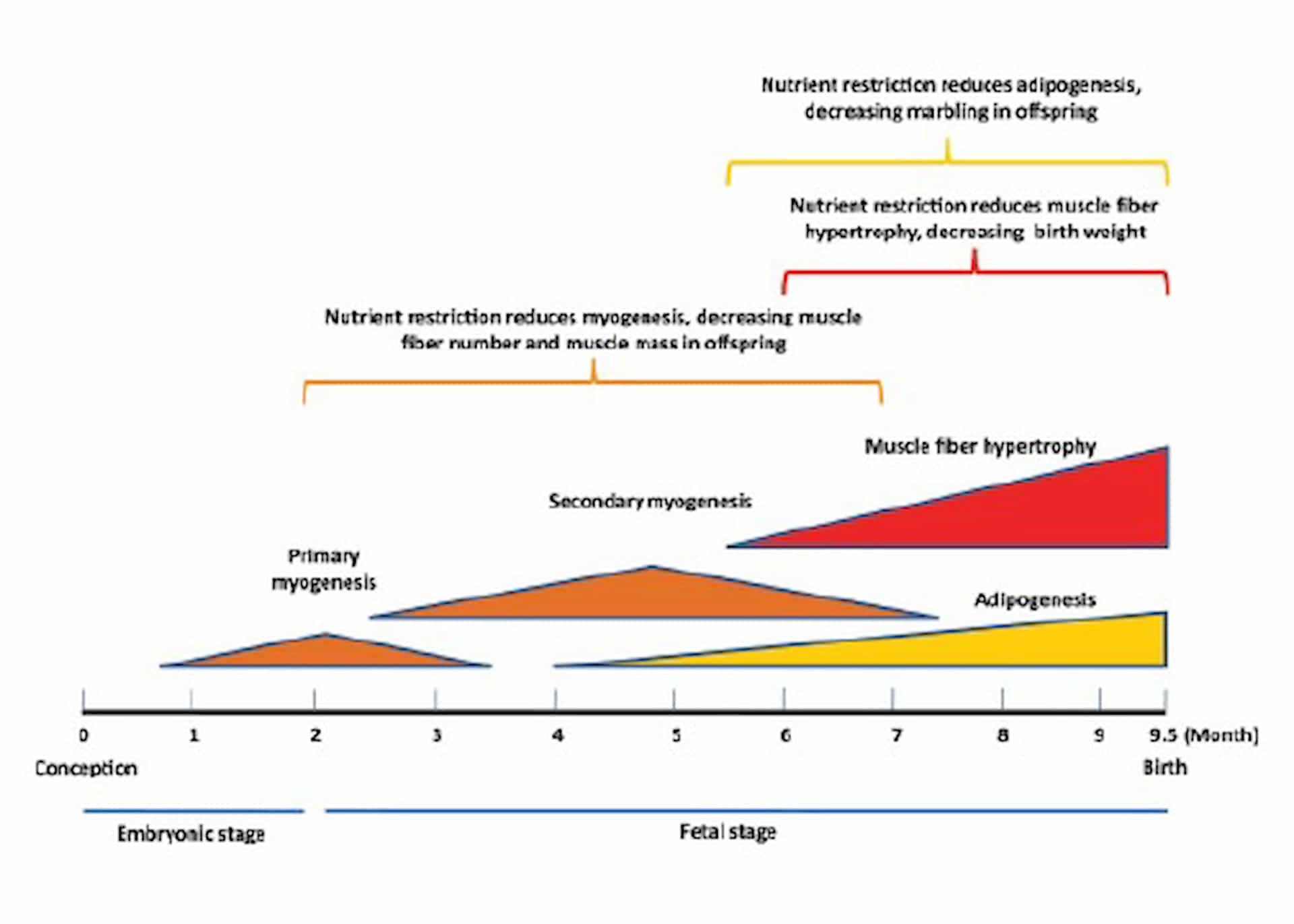
Researchers call this concept fetal programming. Simply put, the nutrition a cow receives during pregnancy can have lasting effects on her calf's health, growth, reproductive performance and overall value. During the calf’s time in the womb, key developmental processes are taking place that can influence how it performs for years to come.
A pregnant cow is doing far more than maintaining her own body condition. She is also supporting the development of her calf and the placenta that delivers its nutrients. If nutrient needs aren't met during pregnancy, the developing calf may face challenges that affect performance later in life. Research suggests these effects can influence:
- Birth weight and calf vigor
- Immune system development
- Muscle growth
- Feedlot performance
- Reproductive success in replacement heifers
- Carcass quality
In other words, nutrition during pregnancy doesn't just impact this year's calf crop. It can influence the long-term productivity and profitability of those calves. When nutrients are in short supply, the cow's body must decide how to allocate those nutrients, which can affect fetal development.
Several factors can limit the nutrients available to a developing fetus during pregnancy. Young cows that are still growing themselves must divide nutrients between their own growth and the needs of the unborn calf. Twin pregnancies place additional demands on the cow because more than one fetus is competing for available nutrients. Environmental stresses, such as heat and drought, can also reduce the nutrients available for fetal development, particularly when forage quality declines. Likewise, poor-quality pasture or inadequate feed supplies during gestation can leave cows unable to meet both their own nutritional needs and those of the developing calf. In some cases, cows with higher milk production may also face increased nutrient demands, further increasing the importance of a well-balanced nutrition program throughout pregnancy.
Most producers naturally focus on the last trimester because that's when most fetal weight gain occurs. While late gestation nutrition remains critical, research shows the first trimester may be just as important—if not more important—for some aspects of calf development.
During the early stages of pregnancy, major developmental milestones occur, including placental development, organ formation, circulatory system development, muscle cell formation and reproductive organ development. Because these systems are established early, nutritional deficiencies during the first trimester can have lasting consequences, even if the cow appears to be in acceptable body condition later.
For years, body condition score (BCS) has been an important tool for evaluating cow nutrition. It remains valuable, but research has shown that cows can maintain adequate body condition while still falling short on certain nutritional requirements. Studies from the University of Nebraska found that cows with acceptable body condition scores produced calves with lower performance when protein was restricted during gestation.
The takeaway is simple: a cow may look good, yet her developing calf may still be missing important nutritional support.
Research has linked adequate protein and energy intake during pregnancy to several positive outcomes, such as heavier weaning weights, improved growth rates, better reproductive performance in replacement heifers and improved calf health and survivability.
In contrast, calves born to cows that were nutritionally restricted during pregnancy have shown higher rates of sickness and death, lower birth weights, reduced growth rates and poorer lifetime performance.
The science behind fetal programming continues to grow, but the message is straightforward: nutrition during gestation affects the future value of the calf. While nutrition matters throughout pregnancy, paying attention to both early and late gestation can help producers capture more value from every calf born. In today's market, that's an opportunity worth considering.
Visit with your MFA livestock representative about nutrition solutions designed to help your cows—and calves—reach their full potential. Find your local MFA store here.